If someone near you stopped breathing right now, would you know what to do in the first minute? That question is why many people in Abu Dhabi and the UAE look into emergency response training. Some people start with First Aid Training Abu Dhabi. Others, especially those working clinically, need something with more depth. Either way, it helps to understand what BLS, ACLS, and First Aid each cover before picking one.
From hospital staff and support workers to organisations building internal emergency response capacity, the right starting point looks different for everyone. What matters is knowing which course matches your role and requirements before you enrol.
What Is Basic Life Support (BLS) Training?
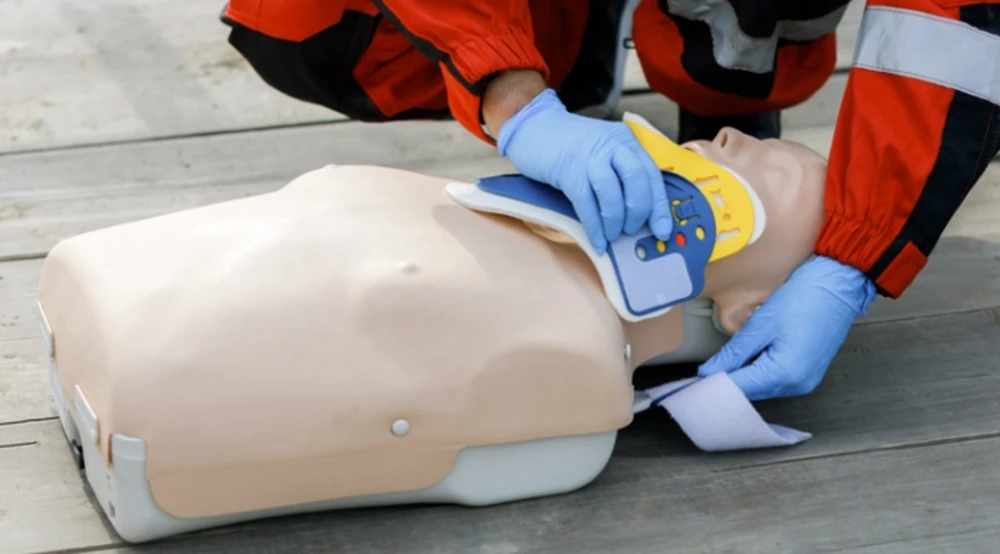
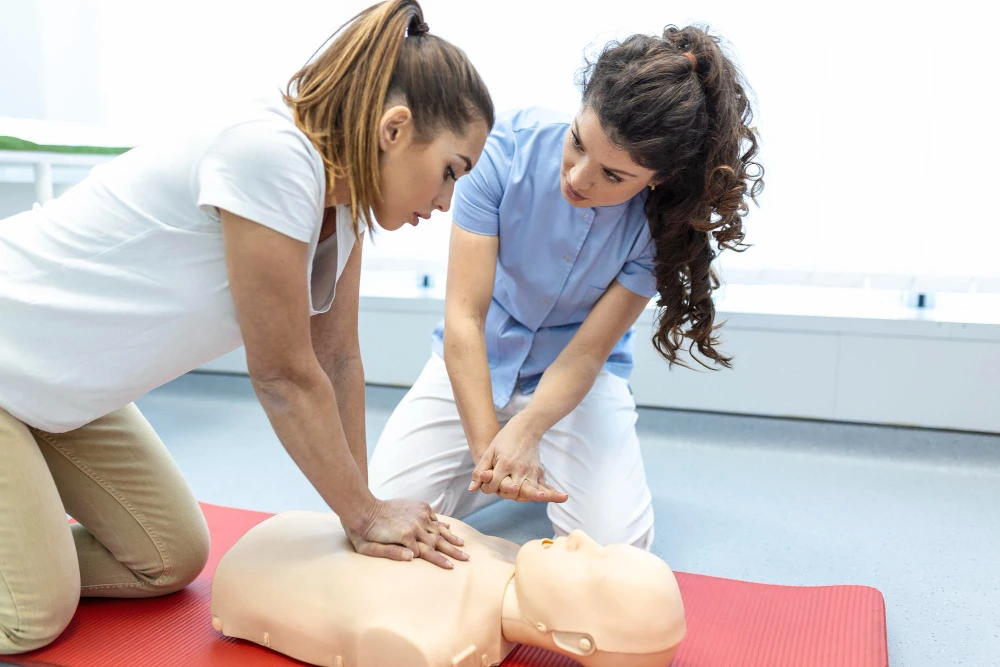
BLS is built around one specific problem: what do you do when someone’s heart stops or they stop breathing, and help is still a few minutes away? A BLS course typically covers CPR, AED use, and recognising early warning signs of cardiac arrest or choking, though the exact curriculum varies by programme. It’s a hands-on subject by nature, you can read about chest compressions all day, but the skill only really sticks once you’ve practised it on a mannequin a few times.
People who take Basic Life Support BLS Training Abu Dhabi courses aren’t only doctors and nurses. Dental staff, teachers, lifeguards, security staff and others in public-facing roles are among those for whom emergency-response training may be relevant. Having trained people in a building or community can support a more organised emergency response in that first critical window.
Understanding BLS Training in Abu Dhabi
So what happens in a BLS course? Depending on the provider, it may include chest compression technique, rescue breathing, and scenario-based drills where you practise as part of a small response team rather than working alone. Look for programmes with plenty of practical time, sitting through slides doesn’t teach you how compressions should actually feel.
If you’re comparing BLS training options in Abu Dhabi, it’s worth asking a couple of direct questions before you commit: what the course curriculum includes, how much of it is hands-on, what background the instructors have, and who the course is designed for. Some are aimed squarely at healthcare workers; others are pitched more broadly. Getting that clarity upfront helps you avoid a course that isn’t the right fit.
What Does ACLS Training Involve?
ACLS – Advanced Cardiovascular Life Support, is a different level altogether. Where BLS focuses on compressions and basic life support skills, ACLS focuses on the clinical decision-making involved in managing a cardiac event, which may include recognising arrhythmias, medication use during resuscitation as set out in the programme curriculum, and coordinating a team response under pressure. It is generally intended for healthcare professionals.
Because of that, it’s not a course you can just sign up for on a whim. Some ACLS programmes require a current BLS certification, and some have specific professional or eligibility requirements. Anyone looking into ACLS training in Abu Dhabi should check the entry requirements directly with the provider rather than assuming they qualify, it’s a conversation worth having before you pay for a seat you might not be eligible for.
First Aid Training and Its Role in Emergency Preparedness
First aid courses are generally designed for a broad range of participants. They may cover everyday situations such as cuts, burns, sprains, fainting and choking emergencies, along with how to help until proper medical care arrives. There’s no deep clinical detail here; it’s about building the confidence to act rather than freeze. The exact topics depend on the course, so check what is included.
First Aid Training Abu Dhabi courses attract a wide mix of people: parents, school staff, office teams, community volunteers. And it pairs naturally with BLS rather than competing with it. For people seeking general emergency-response knowledge, first aid may be an appropriate starting point, and some people go on to take BLS afterwards.
BLS vs ACLS vs First Aid: Key Differences
If you strip it back, the three trainings are really answering three different questions. First aid asks: how do I handle common, everyday injuries and emergencies safely? BLS asks: how do I respond if someone’s heart or breathing stops? ACLS asks: how do I manage a cardiac emergency as part of a clinical team?
None of these is inherently “better” than the others, they’re built for different situations and different people. What suits you depends on your profession, what training you already hold, and what your workplace expects of you.
What to Consider When Choosing a Training Centre
Before you commit to any course, it’s worth digging into a few things. Does the course content match what you’re hoping to learn? What’s the instructor’s background, are they practising clinicians, or purely trainers? How much of the time is spent practising versus watching? What assessment and certification requirements apply, and are there eligibility requirements you might not meet? And practically speaking, does the schedule and location work for you, and does it meet whatever your employer is asking for?
None of these questions take long to ask, but skipping them is how people end up in the wrong course.
Preparing for BLS, ACLS or First Aid Training
Once you’ve picked a course, a little preparation goes a long way. Double-check the eligibility requirements, particularly if you’re considering ACLS. Ask how the course will run, so you know how much is practical versus classroom-based. Follow whatever pre-course instructions the provider sends over, sometimes there’s reading or prep work involved. And if your certification or workplace requires renewal, confirm the applicable renewal period.
Conclusion
BLS, ACLS and First Aid are not interchangeable. Each is built for a different level of emergency response, and which one is right for you depends on your role, your current training and what you’re expected to do. Whether you’re starting out or building on clinical experience, it’s worth taking the time to get this right rather than guess.
If you are considering Basic Life Support BLS Training Abu Dhabi or other BLS, ACLS and First Aid training options, the best next step is to contact the provider directly to discuss eligibility, course details and certification requirements.
Contact Infinity Health Care to learn more about BLS, ACLS and First Aid training options and discuss what would suit your needs.