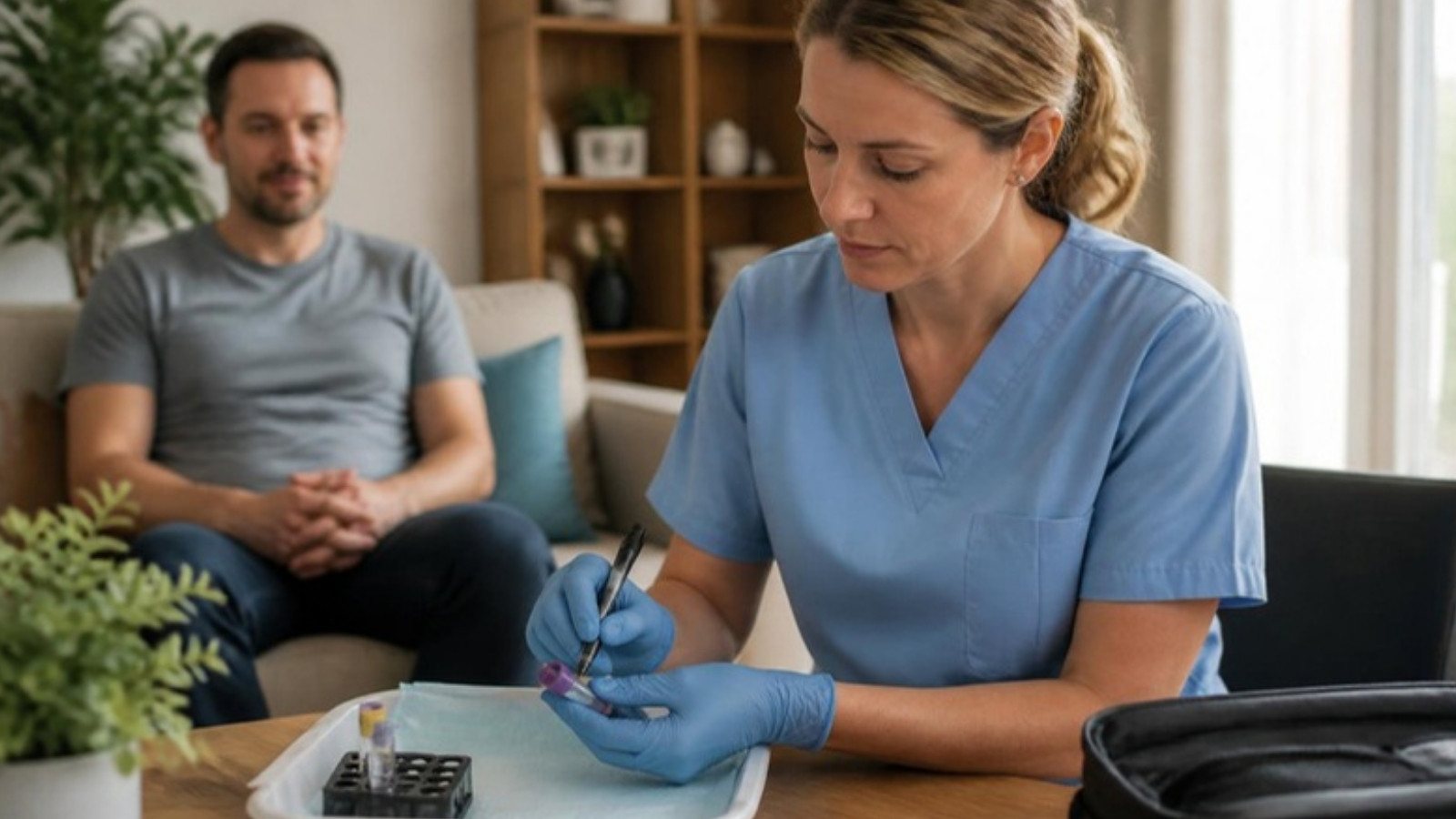

Leaving hospital is good news, but the first days at home can be the hardest part of recovery. Medicines change, wounds need dressing, mobility is limited and families are often unsure what is normal and what is not. Home nursing after hospital discharge fills that gap. A qualified nurse continues the care plan at home, watches for problems early and helps the whole family feel confident. This guide explains how to prepare, what a home nurse does and when to call for help.
Why are the first weeks after discharge so important?
In hospital, nurses check vital signs, give medicines on time and notice small changes quickly. At home, that responsibility moves to the patient and family, often overnight. Missed doses, an infected wound, dehydration or a fall can all lead to a return to hospital. Having professional support during this period lowers that risk and helps recovery stay on track.
What should you ask before leaving hospital?
Ask about medicines, wound or device care, activity limits, diet, follow-up appointments and warning signs. Before the patient is discharged, get clear answers to these questions from the hospital team, and write them down:
- Which medicines should be taken, at what times, and which old ones should stop?
- How should the wound, drain, catheter or feeding tube be cared for, and how often?
- What activity is allowed, and what should be avoided?
- Are there any diet or fluid restrictions?
- When are the follow-up appointments, and which tests are due?
- Which warning signs mean you should call the doctor or go to hospital?
Keep the discharge summary and medicine list together. A home nurse will use them to continue care exactly as the doctors planned.
What does a home nurse do after discharge?
Infinity Home Care's home nursing services in Abu Dhabi cover the clinical and practical needs that usually follow a hospital stay, including:
- Injection administration and medication management, including IV, IM, PEG and NGT
- Wound care and dressing changes
- Catheter care and stoma care
- Tube feeding management and assisted feeding
- Tracheostomy care and respiratory support, including oxygen therapy
- Help with bathing, dressing, grooming, toileting and transferring
- Mobilisation, range of motion exercises and support with walking aids
- Monitoring diet and eating habits
- Escorting patients to follow-up appointments
- Advice on referral back to hospital if it is needed
Just as important, the nurse explains each step to the family, so carers know how to help safely between visits.
Warning signs to watch for at home
Contact the doctor, or call emergency services if it is serious, if the patient has:
- A fever, chills or a wound that becomes red, hot, swollen or starts to leak
- New or worsening pain that medicines do not control
- Shortness of breath, chest pain or a fast heartbeat
- Sudden confusion, unusual sleepiness or slurred speech
- Very little urine, signs of dehydration or persistent vomiting
- Swelling or pain in one leg, which can be a sign of a blood clot
A home nurse checks for these signs during every visit and knows when a problem needs urgent attention.
How do you prepare the home?
Make the home safer before the patient arrives by reducing the risk of falls and keeping essentials within reach. A few simple changes make recovery much safer:
- Set up the bedroom on the ground floor if stairs are difficult
- Clear walkways and remove loose rugs and cables
- Add a night light between the bed and the bathroom
- Keep medicines, water, phone and glasses within easy reach
- Arrange equipment such as a walker, commode or hospital bed if advised
How long is home nursing needed?
It depends on the reason for the hospital stay. Some patients need a nurse for a few visits to manage dressings or injections; others, after major surgery, a stroke or a long illness, need daily or round-the-clock support for weeks. Infinity creates a personalised care plan and adjusts it as the patient improves. For patients who need help regaining strength, nursing can be combined with physiotherapy at home.
Why choose Infinity Home Care?
Infinity Home Care has more than 14 years of care experience, over 100 nurses and more than 3,000 completed bookings. Nurses are certified, background-verified and trained on an ongoing basis, multilingual support is available, and the team can be reached 24/7 for urgent situations. Pricing is transparent, with no hidden fees, and Infinity is licensed by the Department of Health Abu Dhabi for home health care.
Frequently asked questions
Can a home nurse give IV medicines and injections?
Yes. Infinity's home nurses manage IV, IM, PEG and NGT medication and give injections exactly as prescribed by the patient's doctor, following the discharge plan.
Is home nursing available at night?
Yes. Home nursing can be arranged around the clock, including overnight shifts, and the Infinity team is available 24/7 if an urgent situation comes up.
Can the nurse teach family members how to help?
Yes. Caregiver training is part of the service, so family members learn safe ways to help with moving, feeding and daily care between the nurse's visits.
How quickly can care start after discharge?
Contact the team before the discharge date if you can, so the nurse can plan the first visit around the hospital's instructions.
Key takeaways
- The first weeks after discharge carry the highest risk of setbacks.
- Ask the hospital for clear instructions on medicines, wounds, activity and warning signs.
- A home nurse continues the care plan and spots problems early.
- Simple home changes reduce the risk of falls during recovery.
Planning a discharge for a loved one? Arrange home nursing with Infinity Home Care on +971 56 411 8515, by call or WhatsApp, or send a request online.