Every year, cardiovascular disease claims more lives globally than any other cause of death. In the UAE, heart disease consistently ranks among the leading causes of mortality — and what makes this particularly sobering is that a significant proportion of cardiac deaths occur outside of hospital settings, in homes, workplaces, and public spaces, where the people present are ordinary bystanders rather than trained medical professionals.
The difference between survival and death in many cardiac emergencies comes down to one variable: what happens in the first few minutes. Emergency cardiovascular care — the immediate, organised response to a cardiac event — is not just the domain of paramedics and doctors. It begins with the person standing closest to the patient.
This blog explains what emergency cardiovascular care involves, how to recognise the warning signs of a cardiovascular emergency, what the correct immediate response looks like, and why equipping yourself and your team with proper training is one of the most important investments you can make.
What Is Emergency Cardiovascular Care?
Emergency cardiovascular care (ECC) refers to the coordinated set of actions taken to recognise and respond to life-threatening cardiac conditions. These include sudden cardiac arrest, acute myocardial infarction (heart attack), severe arrhythmias, and cardiovascular collapse.
The concept of ECC was developed and standardised by the American Heart Association (AHA), which created a framework known as the Chain of Survival. This framework outlines the sequential steps that — when performed correctly and quickly — give a patient the best possible chance of surviving a cardiac emergency.
The AHA Chain of Survival for out-of-hospital cardiac arrest includes:
• Early recognition of the emergency and activation of the emergency response system
• Immediate, high-quality CPR (cardiopulmonary resuscitation)
• Rapid defibrillation using an automated external defibrillator (AED)
• Advanced resuscitation by paramedics or emergency physicians
• Post-cardiac-arrest care and recovery
The first three links in this chain — recognition, CPR, and defibrillation — are actions that trained bystanders can and should perform before emergency services arrive. This is why community-level awareness and training in emergency cardiovascular care is so essential.
The Cardiovascular Emergency Landscape in the UAE
The UAE’s population profile creates specific cardiovascular risk factors that healthcare providers and community members should understand. A large proportion of the resident population is middle-aged, working-age adults — a demographic with considerable exposure to sedentary lifestyles, high-stress environments, irregular eating patterns, and limited physical activity.
Additionally, the prevalence of type 2 diabetes, hypertension, and obesity in the UAE — conditions that significantly elevate cardiovascular risk — has been well-documented by health authorities. The Dubai Health Authority and the Abu Dhabi Department of Health have both flagged non-communicable diseases, including cardiovascular conditions, as a priority public health concern.
Critically, many cardiac events in the UAE occur in private settings — homes, apartment buildings, and offices — where the response relies entirely on whoever is present. The average response time for an ambulance in an urban setting is typically eight to twelve minutes. Without immediate CPR, brain damage begins within four to six minutes of cardiac arrest. The mathematics are stark: bystander response is not optional, it is necessary.
Recognising a Cardiovascular Emergency
One of the most important components of emergency cardiovascular care is early recognition. Many people hesitate to act because they are unsure whether what they are witnessing is genuinely a cardiac emergency. This hesitation costs lives.
The following are the primary warning signs of a cardiovascular emergency:
Sudden Cardiac Arrest
The person suddenly collapses and becomes unresponsive. They may have no detectable pulse and are not breathing normally — this may present as gasping or gurgling sounds (agonal breathing), which is often mistaken for normal breathing. Sudden cardiac arrest requires immediate CPR and defibrillation.
Heart Attack (Acute Myocardial Infarction)
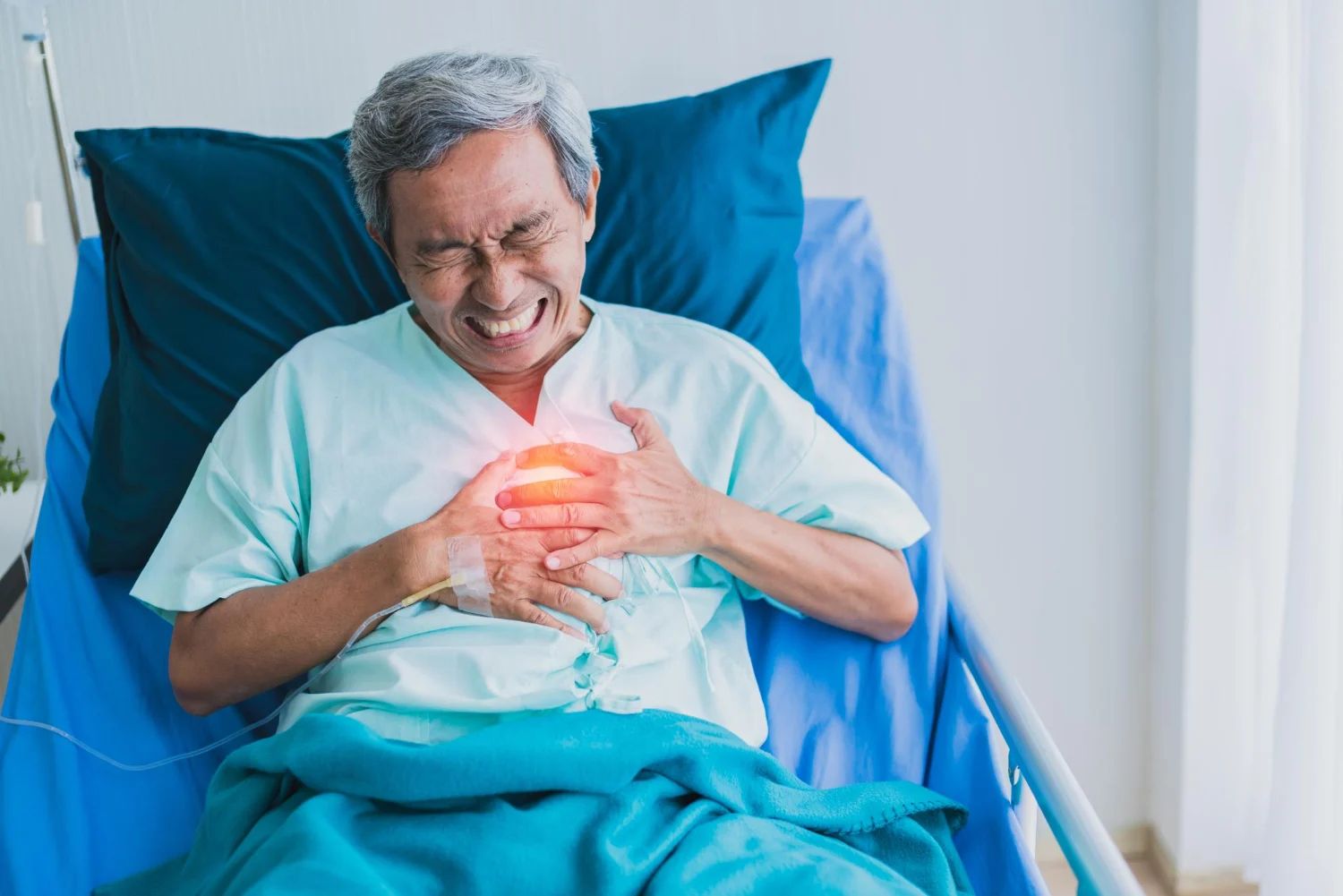
Unlike cardiac arrest, a person experiencing a heart attack is usually conscious. Symptoms include chest pain or pressure (often described as a squeezing, tightening, or crushing sensation), pain radiating to the left arm, jaw, neck, or back, shortness of breath, nausea, cold sweats, and a sense of impending doom. Women may experience atypical presentations including fatigue, indigestion-like symptoms, and upper abdominal discomfort without prominent chest pain.
Severe Arrhythmia
Abnormal heart rhythms — including ventricular fibrillation and ventricular tachycardia — can cause dizziness, palpitations, fainting, or loss of consciousness. Some arrhythmias are immediately life-threatening and require electrical intervention.
Stroke (Cerebrovascular Emergency)
While not a cardiac event per se, stroke is a cardiovascular emergency and shares the same urgency. Use the FAST acronym: Face drooping, Arm weakness, Speech difficulty, Time to call emergency services. Every minute of delayed treatment in a stroke results in the death of approximately 1.9 million neurons.
The Correct Immediate Response to Cardiac Arrest
If you witness someone collapse and become unresponsive, the following sequence applies:
Step 1: Check for Safety and Responsiveness
Ensure the environment is safe. Tap the person’s shoulders firmly and call out to them. If there is no response, shout for help and designate someone to call emergency services (999 in the UAE) immediately.
Step 2: Check for Breathing
Look for normal breathing for no more than ten seconds. Absent or abnormal breathing (gasping) in an unresponsive person should be treated as cardiac arrest. Do not delay CPR to check for a pulse unless you are a trained healthcare professional.
Step 3: Begin High-Quality CPR
Place the heel of your hand on the centre of the person’s chest. Interlock your fingers and press down firmly — compressing the chest by at least five to six centimetres at a rate of 100 to 120 compressions per minute. Allow full chest recoil between compressions. If you are trained, deliver two rescue breaths after every 30 compressions. If you are untrained or unwilling to deliver rescue breaths, continuous chest compressions (hands-only CPR) is still highly effective.
Step 4: Use an AED as Soon as One Is Available
Automated External Defibrillators are designed for use by untrained bystanders. Turn on the device, attach the pads as directed, and follow the voice prompts. The AED will analyse the heart rhythm and deliver a shock only if one is indicated. Resume CPR immediately after the shock is delivered and continue until emergency services arrive or the person regains consciousness.
Step 5: Continue Until Advanced Help Arrives
Do not stop CPR unless the person begins breathing normally, an AED delivers a shock and the person recovers, or a trained professional takes over. Fatigue is common — if others are present, rotate compressions every two minutes to maintain quality.
Why Bystander Training Is the Single Most Impactful Intervention
The data on bystander CPR is unambiguous. When CPR is performed immediately after cardiac arrest, survival rates can double or even triple compared to cases where no CPR is given before paramedics arrive. Yet surveys consistently show that a significant portion of the public lacks the confidence or training to perform CPR correctly.
There are several reasons why people do not act even when they witness a cardiac emergency:
• Fear of doing something wrong or making the situation worse
• Uncertainty about whether the situation is actually a cardiac arrest
• Lack of training or a lapsed training certificate
• Discomfort with performing rescue breaths on a stranger
All of these barriers are addressed through structured, hands-on training. BLS Training Abu Dhabi programmes certified by the American Heart Association deliver exactly this — practical, scenario-based instruction that builds both competence and confidence in CPR, AED use, and emergency recognition.
Completing a certified Basic Life Support BLS Training Abu Dhabi course means that when a cardiac emergency unfolds in front of you — at home, in an office, at a family gathering — you are not frozen by uncertainty. You act, correctly, immediately.
Who Should Receive Emergency Cardiovascular Care Training?
The honest answer is: everyone. But there are specific groups for whom BLS and ECC training is especially critical:
Family Members and Caregivers of High-Risk Individuals
If you live with or care for someone who has a history of heart disease, has had a previous cardiac event, manages diabetes or hypertension, or is elderly — your ability to respond in the first few minutes of a cardiac emergency is their primary line of defence. Training is not a precaution, it is an obligation.
Healthcare and Allied Health Professionals
Nurses, physiotherapists, pharmacists, home care professionals, and any clinician operating outside of a hospital environment should maintain a current BLS certification. AHA-certified training ensures that skills remain sharp and aligned with the latest evidence-based guidelines.
Corporate and Office Environments
With large numbers of adults spending eight or more hours per day in a workplace, the statistical likelihood of a cardiac event occurring in an office setting is significant. Having trained first responders within a team can mean the difference between a recoverable outcome and a fatality before an ambulance arrives.
School and Education Staff
Teachers, administrative staff, and support personnel in schools and universities should be trained in basic life support. Children can also experience cardiac events, particularly those with undiagnosed congenital heart conditions, and rapid response from a trained adult is critical.
Domestic Workers and Household Staff
In many UAE households, domestic staff spend significant time with elderly family members and children. Equipping them with BLS skills ensures that trained responders are present at home even when family members are away.
AHA-Certified Training: What to Expect
Not all first aid and CPR courses are equal. The American Heart Association sets the global benchmark for emergency cardiovascular care training, and AHA-certified courses are recognised by healthcare institutions, regulatory bodies, and employers across the UAE and internationally.
A standard AHA BLS course covers:
• Recognition of cardiac arrest, respiratory arrest, and other life-threatening emergencies
• High-quality CPR technique for adults, children, and infants
• Correct use of a bag-mask device for rescue breathing
• AED operation and integration with CPR
• Two-rescuer CPR coordination and team communication
• Relief of airway obstruction (choking) in conscious and unconscious patients
Upon successful completion, participants receive an AHA BLS Provider card that is valid for two years. Recertification courses are shorter and focus on skill refreshers and any updated guidelines.
Infinity Care’s AHA Medical Training programme in Abu Dhabi delivers this certification in a structured, hands-on format — suitable for both healthcare professionals and non-clinical individuals who want to be prepared.
Post-Resuscitation Care: What Happens After the Emergency
Surviving cardiac arrest is only the beginning of recovery. Post-resuscitation care — what happens in the hours and days following a cardiac event — is a critical determinant of long-term neurological and cardiac outcomes.
In hospital, post-cardiac-arrest care typically includes:
• Targeted temperature management (TTM) to reduce brain injury
• Continuous cardiac monitoring for arrhythmia detection
• Coronary angiography to identify and treat the underlying cause
• Haemodynamic stabilisation and ventilatory support
• Neurological assessment and rehabilitation planning
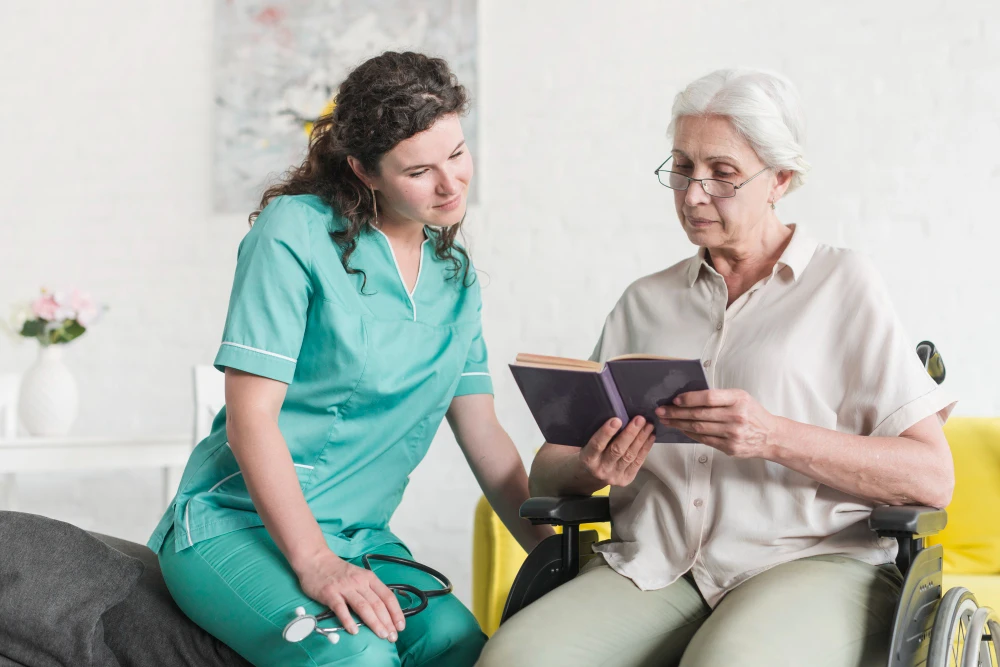
Once a patient is stable and discharged, home-based recovery support becomes important. For families navigating post-cardiac care at home in the Abu Dhabi region, Home Care Services In Abu Dhabi can provide nurse visits, vital sign monitoring, medication management, and coordinated follow-up — ensuring that recovery continues safely outside the hospital environment.
Cardiovascular Emergency Prevention: Reducing the Risk
While preparing to respond to a cardiac emergency is essential, reducing the risk of one occurring is equally important. Cardiovascular disease is largely preventable through lifestyle modification and proactive health monitoring.
Key preventive measures include:
• Regular cardiovascular health screenings — blood pressure, cholesterol, blood glucose, and ECG for at-risk individuals
• Maintaining a healthy weight through balanced nutrition and regular physical activity
• Smoking cessation — smoking remains one of the most significant modifiable cardiovascular risk factors
• Effective management of diabetes and hypertension with appropriate medication and lifestyle adjustment
• Limiting alcohol consumption and managing chronic stress
• Recognising and acting on early warning symptoms rather than dismissing them
Home diagnostic services — including lab tests at home in Abu Dhabi — make it easier than ever to monitor key health markers without requiring a clinic visit. Regular testing allows early identification of risk factors and timely intervention before a crisis develops.
Creating a Cardiac Emergency Plan for Your Home or Workplace
One of the most practical steps you can take right now is to establish a clear cardiac emergency plan — a documented, communicated protocol for what everyone should do if a cardiac event occurs.
A basic cardiac emergency plan should include:
• The local emergency services number (999 in the UAE) displayed visibly
• The location of the nearest AED in your building or workplace
• The names of two or more trained first responders in the household or team
• The address and access instructions to share with emergency services
• The medical history of any high-risk individuals in the environment
Rehearsing this plan — even informally — significantly reduces the chaos and hesitation that typically accompanies a real emergency. Families with elderly parents or individuals with known cardiac conditions should treat this as a priority, not an afterthought.
Key Takeaways
• Emergency cardiovascular care begins with bystanders — not paramedics. The first few minutes are decisive.
• Knowing how to recognise the signs of cardiac arrest, heart attack, and stroke is the foundation of effective emergency response.
• High-quality CPR and early defibrillation significantly increase survival rates in out-of-hospital cardiac arrest.
• AHA-certified BLS training provides the skills and confidence to act correctly under pressure.
• Post-cardiac care and preventive monitoring are equally important components of a comprehensive cardiovascular health strategy.
Cardiac emergencies do not announce themselves. The preparedness you build today — through training, planning, and preventive care — is what protects the people you care about when it matters most. If you are ready to take that step, Infinity Care’s AHA Medical Training Abu Dhabi programme and Home Care Services are here to support you at every stage.